Push the Pause Button
Delayed reaction often prevents unnecessary damage

A society becomes stronger when we slow down long enough to think clearly, listen carefully, and respond with discipline.
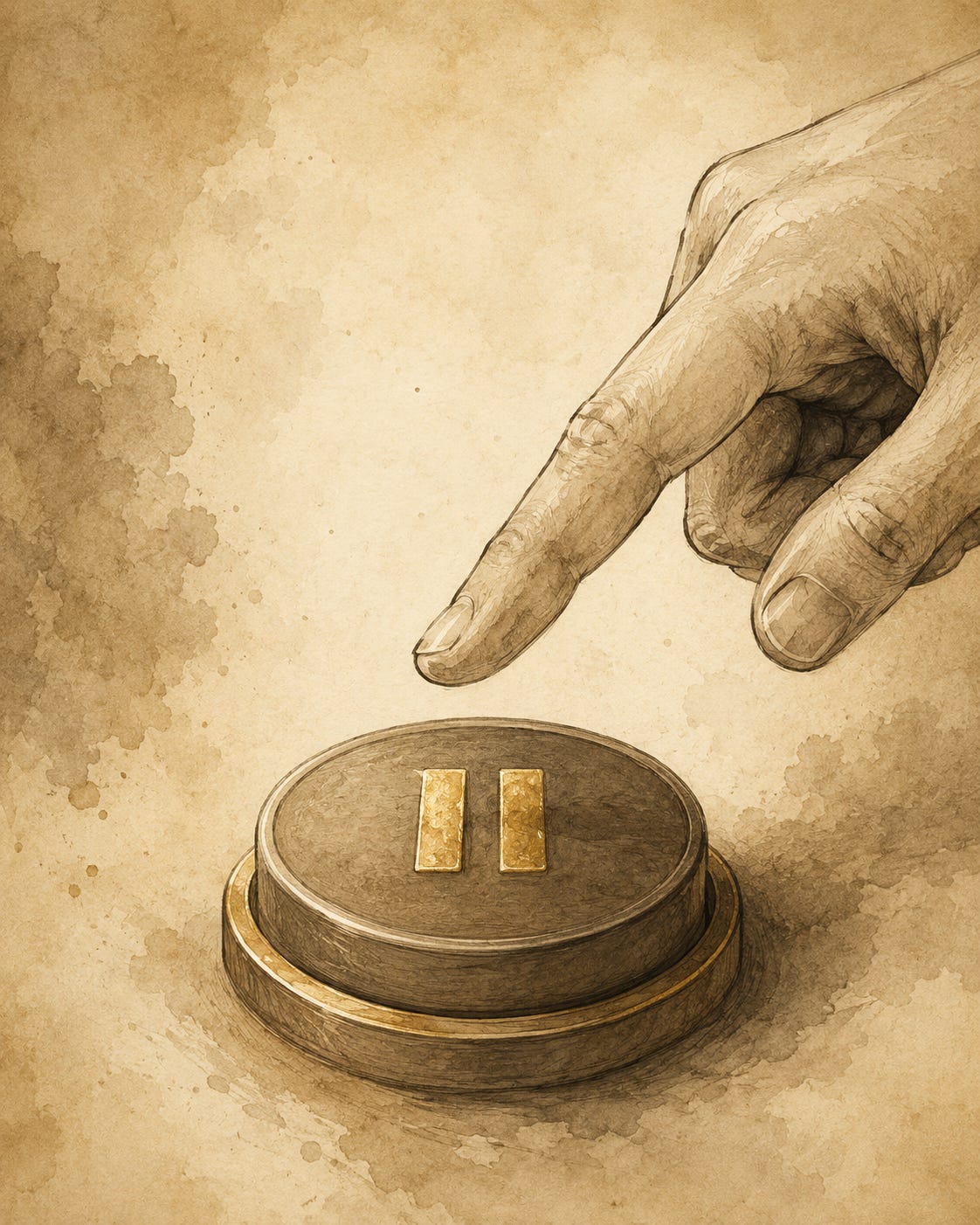
AI image from author prompt
Political disagreement is normal. Emotional flooding is something different. One invites discussion. The other shuts it down.
When we feel threatened, our heart rate rises. attention narrows, language sharpens. The goal shifts from understanding to winning. In that state, debate becomes less about ideas and more about identity and survival.
The pause button interrupts that process. It creates a small space between emotion and action. In that space, better judgment becomes possible.
Without pauses, conversations spiral quickly and misunderstandings multiply. We stop hearing one another. Small disagreements become moral battles. Public trust weakens because every exchange begins to feel hostile and unstable.
The Constitution reflects the value of slowing things down. Checks and balances are institutional pauses. Separate branches of government prevent immediate concentration of power. Elections occur on timelines rather than emotional surges. Courts deliberate, legislatures debate, and procedures exist specifically to reduce impulsive action.
Social media compresses reaction time to seconds. “Breaking news” arrives constantly. Public pressure encourages instant commentary before facts are fully understood. We feel expected to respond immediately to every controversy.
A pause allows your nervous system to settle and information to surface. It allows a person to distinguish between disagreement and danger. Sometimes the most responsible response in a debate is silence long enough to breathe, think, and choose words carefully.
A nation filled with people who cannot pause becomes emotionally combustible. Every disagreement feels existential. Every criticism feels personal. Every conversation becomes vulnerable to escalation.
The pause button protects dignity.
We regret words spoken in anger, but rarely regret taking a moment before speaking. Delayed reaction often prevents unnecessary damage. It preserves relationships that would otherwise fracture under emotional momentum.
This does not mean avoiding hard conversations. Democracy depends on difficult conversations. Important debates about justice, policy, rights, economics, and leadership must continue. The goal is not to debate less, it is a healthier debate.
Before responding in a political discussion, ask: Am I reacting to what was actually said, or to what I fear it means?
Pause before replying online. Lower your voice instead of raising it. Repeat back what you heard before disagreeing. Breathe before interrupting. Step away briefly if emotion becomes overwhelming.
Peace in a democracy is not the absence of disagreement. It is the ability to remain human while disagreeing.
Sometimes the strongest contribution to a debate is not a faster argument, but a calmer mind. Push the pause button before anger takes control.
Democracy may depend on citizens who can slow themselves down.
Please comment, share, and subscribe if this message resonates with you.
Day 67 of the 250 Days of Peace and Democracy project.